

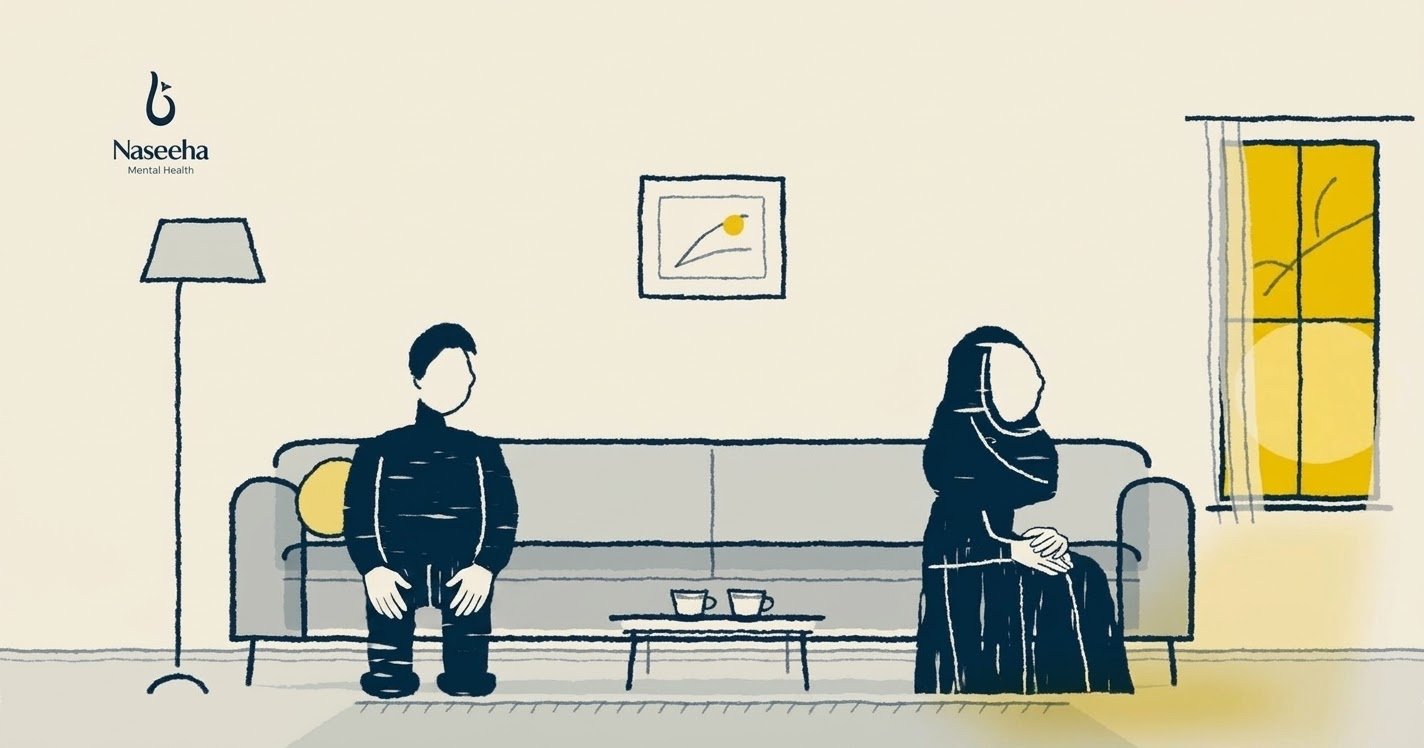
Sometimes, the signs of stress in a relationship often show up in small moments. Imagine, you’ve had a long day and you’re finally home, ready to switch off for a while. Your partner asks, “How was your day?” You know they’re just checking in, but you’re too drained to talk. You give a short reply: “Fine.” Your partner notices your tone and asks what’s wrong. You feel misunderstood, they get frustrated, and suddenly you’re arguing when all you really needed was a little understanding.
If this feels familiar, you’re not alone. May be you’ve been snapping over little things, talking less or feeling far from the person you usually turn to. It can be confusing when you love each other but still struggle to connect. The good news is that stress doesn’t mean your relationship is failing. Once you know the warning signs of stress in a relationship, it’s easier to see what’s getting in the way and start feeling close again.
What Stress in a Relationship Actually Looks Like
Stress in a relationship shows up in how you talk to each other, how you react, and how much time you spend together. Sometimes the pressure comes from outside the relationship, such as work, money, family responsibilities, or health concerns. At other times, it comes from unresolved disagreements. Stress can also spill over from one partner to the other. When one of you is overwhelmed, the other can feel ignored or pushed away. You can both end up feeling alone, even while you’re trying to support each other. So, try to notice the pattern before blaming yourself or your partner.
Common Signs of Stress in a Relationship
These signs of stress in a relationship are not always obvious. Most of the time they show up in ordinary moments that slowly start to feel different.
1. Short Temper and Small Fights
Little things start causing bigger arguments. A forgotten errand, a late reply, or an untidy room can set off a bigger reaction than the moment deserves. The fight usually isn’t about the errand. It’s about everything else you’re both carrying.
2. Talking Less and Only About Logistic
You talk about bills, meals, chores, and schedules, but rarely about how either of you is feeling. Conversations that once helped you feel close become brief exchanges about what needs to get done.
3. Walking on Eggshells
You think carefully before speaking because you worry that the wrong words might start another argument. That’s one of the clearest signs of tension in a relationship: you stop bringing up even small things.
4. Pulling Away or Avoiding Time Together
One partner may spend more time alone, avoid conversations, or stay busy to escape the tension. Pulling back is how a lot of people cope when they’re overwhelmed. But if it goes too long, the other person starts to feel unwanted.
5. Less Affection
Hugs, compliments, and physical intimacy may become less frequent. Stress affects closeness, but less affection doesn’t mean love is gone.
6. Losing Humour and Warmth
The small jokes and kind gestures that once came naturally become less common. You joke around less. Conversations feel heavy, and there’s less patience than there used to be.
7. Physical Signs and Emotional Exhaustion
You may struggle to sleep, feel tired throughout the day, or find it difficult to concentrate. Stress can also contribute to headaches and muscle tension. The Centre for Addiction and Mental Health (CAMH) explains that prolonged stress can affect both mental and physical well-being.
8. Overthinking and Doubt
You replay conversations in your mind, worry about your partner’s reactions, or wonder whether something has changed between you. Emotional stress in relationships can leave you uneasy even when you can’t point to one clear reason.
Signs Your Partner Is Stressed and Signs You Are
A stressed partner may become impatient, forgetful, quiet, or less interested in spending time together. You might notice yourself feeling anxious, replaying conversations, or expecting an argument before a conversation has even started.
If you’re feeling stressed in a relationship, look at what’s changed. Has more work been going on? Is one of you going through something hard? Knowing what’s behind it makes it easier to respond kindly.
Patterns That Turn Stress into Bigger Conflict
The Gottman Institute describes four communication patterns that can make conflict harder to resolve:
Criticism: Attacking a partner’s character instead of explaining a concern.
Contempt: Using mockery, insults, or disrespect.
Defensiveness: Shifting blame rather than listening.
Stonewalling: Shutting down or withdrawing from a difficult conversation.
People often stonewall because they’re overwhelmed, but it still hurts the other person. A break is fine as long as you both agree to come back to the conversation once you’ve calmed down.
The Canadian Psychological Association says conflict is normal. What matters is how you ask for what you need and how you respond to each other.
Is It Stress or a Deeper Problem?
Not every difficult period means a relationship has a serious problem. Look at the overall pattern rather than judging one argument.
| Normal stress | Warning signs |
|---|---|
| Tension rises in busy or hard periods and eases when life calms. | Tension is constant, whatever is going on. |
| You still feel respected. | You feel looked down on or mocked. |
| Your partner apologises and repairs after a fight. | Problems are denied or blamed on you. |
| You feel safe saying what you think. | You feel afraid to speak. |
Use this as a guide, not a diagnosis. Stress and deeper problems can look alike, so pay attention to how you’re treated, not just how stressed you both are.
7. Physical Signs and Emotional Exhaustion
Stress does not excuse harmful behaviour. Threats, controlling actions, isolation from loved ones, repeated humiliation, or feeling afraid of your partner are serious concerns.If you feel unsafe, talk privately to someone you trust or a support service. You don’t have to deal with this alone. Naseeha’s helpline is here to listen and support you 24/7. If you’re in immediate danger, contact local emergency services.
What Causes Stress in a Relationship?
Relationship pressure can come from several parts of life, including:
Work demands, job loss, or financial worries.
Family expectations and caregiving responsibilities.
Parenting and an unequal share of household tasks.
Health concerns, anxiety, or low mood.
Major changes, such as moving or welcoming a child.
Unspoken expectations and unresolved disagreements.
Community or cultural pressures.
When several challenges build up at once, even small decisions can feel exhausting. Naming where the pressure is coming from helps you decide what to deal with first.
How Relationship Stress Affects You Over Time
Stress that’s left alone tends to grow. You get less patient with each other and less happy together. It shows up in your sleep and mood too, and after enough fights it can turn into burnout. However, a difficult period does not have to define your relationship. When you can talk honestly and share the load, it’s easier to get through it together.
How to Deal With Stress in a Relationship
Start small. You don’t have to fix everything in one conversation.
Name the pressure, not the person. Say, “I feel overwhelmed lately,” rather than “You always make things difficult.”
Take a break when emotions rise. Give yourselves time to settle, then agree when you will continue the conversation.
Explain what you need. Ask for practical help, a little time together, or someone to listen without offering immediate solutions.
Work as a team. Ask, “What can we do to make this week easier for both of us?”
Repair after an argument. Acknowledge your part, apologise when appropriate, and listen to your partner’s experience.
Make room for connection. Share a meal, take a walk, or make time for prayer and dua.
Care for your own well-being. Sleep, regular meals, movement, and time to unwind can help you cope with everyday pressure.
This way, managing stress in a relationship is something you do together, not something one person carries.
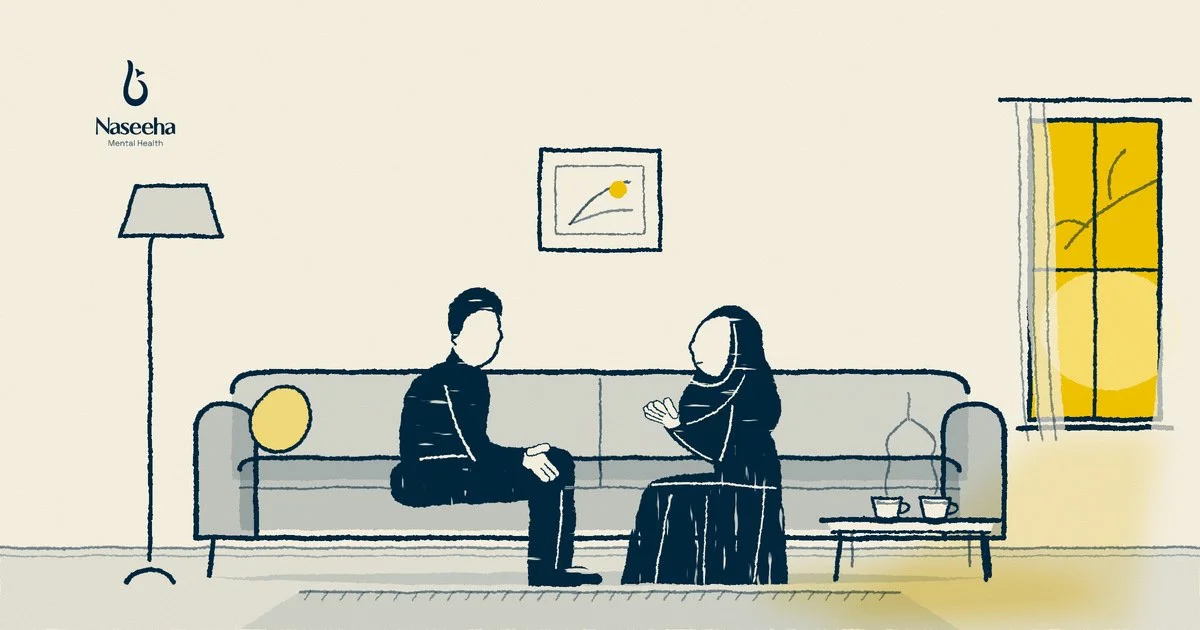
How to Talk to Your Partner About Stress
Choose a calm moment rather than raising an issue in the middle of an argument. You could say, “I feel like we have both been under pressure lately. Can we talk about what would help?” If your partner is struggling, listen before offering advice. If you’re the one feeling overwhelmed, explain what support would help you feel heard. If you can’t find the words straight away, that’s okay. Some conversations take more than one try. You can pause, reflect, and come back to it when you’re ready.
Stress in a Muslim Marriage: What Helps
For many Muslim couples, faith shapes how they handle hard seasons together. It can be a real source of strength. But stress in a Muslim marriage also comes with its own pressures, like family expectations, in-law dynamics, or the feeling that a “good” couple shouldn’t struggle at all. Here are a few things that genuinely help.
Talk to Each Other With Mercy (Rahmah)
Marriage is a sacred bond built on love, trust, and understanding. Allah SWT said, “He has placed between you compassion and mercy.” (Surah Ar-Rum, 30:21). Mercy matters most on the days you’re both running on empty. In practice, it looks like assuming the best about your spouse, softening how you start a hard conversation, and choosing words you won’t regret later. Mercy doesn’t mean pretending nothing is wrong. It means you can say, “This really hurt me,” without trying to hurt them back.
Practice Patience (Sabr) Without Staying Silent
Sabr is often misunderstood as quietly putting up with everything. Patience helps you stay steady while you work through a difficult period, like a job loss or a new baby. But it was never meant to be a reason to bury real problems.
If something keeps coming up, such as feeling unheard, an unfair share of responsibilities at home, or being treated with disrespect, raising it calmly is not a lack of sabr. Speaking up early often protects the marriage from bigger hurt later.
Make Du’a Together
Making dua side by side can soften things between you, even when talking feels hard. You don’t need long or formal words. A few honest minutes after salah, asking Allah to bring ease and put love back between you, can remind you both that you’re on the same side. You can make this Qur’anic dua together: “Our Lord! Bless us with ˹pious˺ spouses and offspring who will be the joy of our hearts, and make us models for the righteous.” (Surah Al-Furqan, 25:74)
When to Involve Family or an Imam and When to Get Professional Help
A wise family elder or a trusted imam can help, especially when both of you respect them and the issue is about communication, expectations, or family conflict. The Quran itself encourages bringing in a fair person from each side when a couple is struggling. Allah says, "If you anticipate a split between them, appoint a mediator from his family and another from hers" ( An-Nisa 4:35). Choose someone who will listen to both of you and keep things private.
Professional support is the better step when stress is affecting your mental health, when the same fights keep repeating, or when there’s any fear, control, or harm in the relationship. Imams and family members care, but they aren’t always trained to handle anxiety, depression, or abuse. A faith-aware counsellor can respect your values and still give you practical tools. You can also use both: spiritual guidance alongside professional support.
When to Get Professional Help
Consider professional support if the same arguments keep returning; emotional distance continues, or stress begins to affect your sleep, health, or daily life. Individual counseling can help you understand your feelings and build coping skills. Couples therapy helps when you both feel safe being honest.
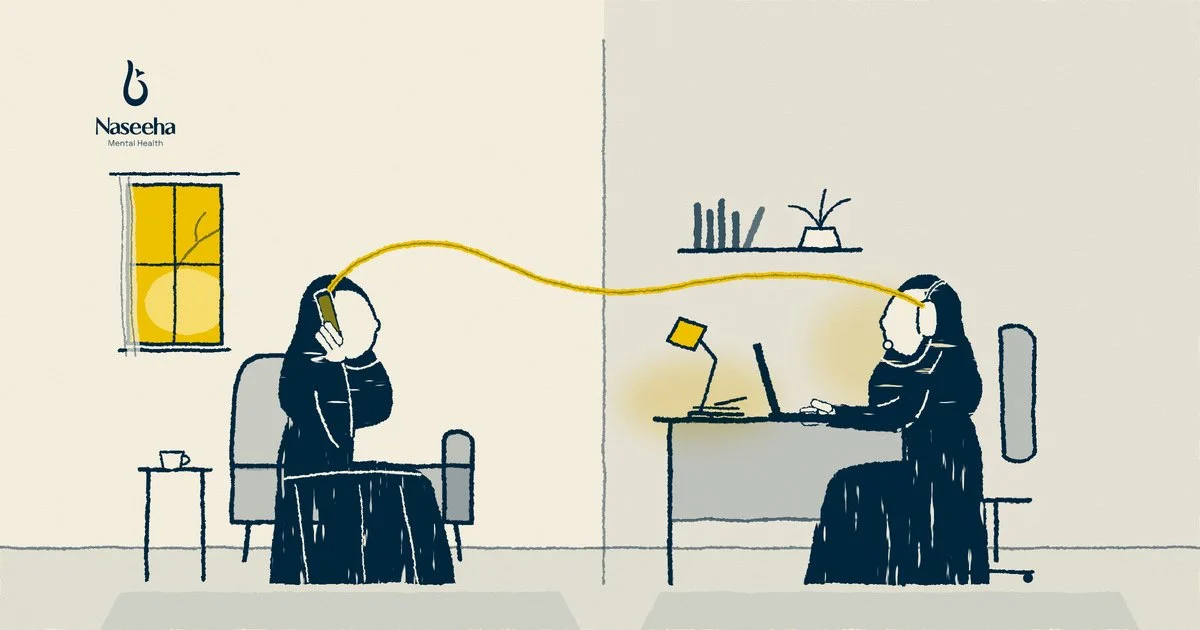
You do not need to wait until things become unbearable. Stress is hard to carry alone, and reaching out is a normal thing to do. Naseeha offers free, confidential support through its 24/7 helpline. Call 1-866-627-3342. Someone will listen and help you think about what to do next. Professional support is also available through Naseeha’s online therapy services.
Frequently Asked Questions
Is it normal to feel stressed in a relationship?
Yes, it’s normal to feel stressed in a relationship, especially during difficult periods or major life changes. What matters is how partners respond. If tension becomes constant or affects your well-being, consider seeking support.
What are the first signs of stress in a relationship?
Early signs include irritability, frequent disagreements, less affection, reduced communication, and emotional distance. These signs of tension in a relationship may appear gradually, so noticing changes early can help you address concerns before they become a regular pattern.
Can stress ruin a relationsip?
Ongoing, unaddressed stress can strain a relationship, but it does not automatically mean it will end. Honest communication, shared problem-solving, and professional support can help partners work through difficult periods.
Why does my partner snap at me when stressed?
Stress can leave someone overwhelmed and less patient. However, it does not excuse hurtful behaviour. Discuss the pattern calmly and explain how it affects you.
How can I help a stressed partner without taking it personally?
Listen, ask what would help, and avoid assuming you must solve every problem. Be there for them, but you don’t have to take on everything. Both partners deserve respect, even during difficult periods.
What is the difference between relationship stress and relationship burnout?
Relationship stress describes pressure or tension, while relationship burnout refers to feeling emotionally exhausted or disconnected after prolonged strain. If you’re worn out all the time, it’s a sign to get some support.
Can relationship stress cause physical symptoms?
Yes. Stress can contribute to sleep difficulties, headaches, muscle tension, and fatigue. These symptoms can have other causes, so consult a healthcare professional if they persist or concern you.
When should we see a counselor?
Consider counselling when conflicts keep returning; communication feels difficult, or stress affects daily life. If you feel unsafe or experience abuse, seek individual support and prioritise your safety. Recognising the signs of stress in a relationship doesn’t mean you’ve failed. It means you can do something about it. You do not have to figure everything out alone.
