

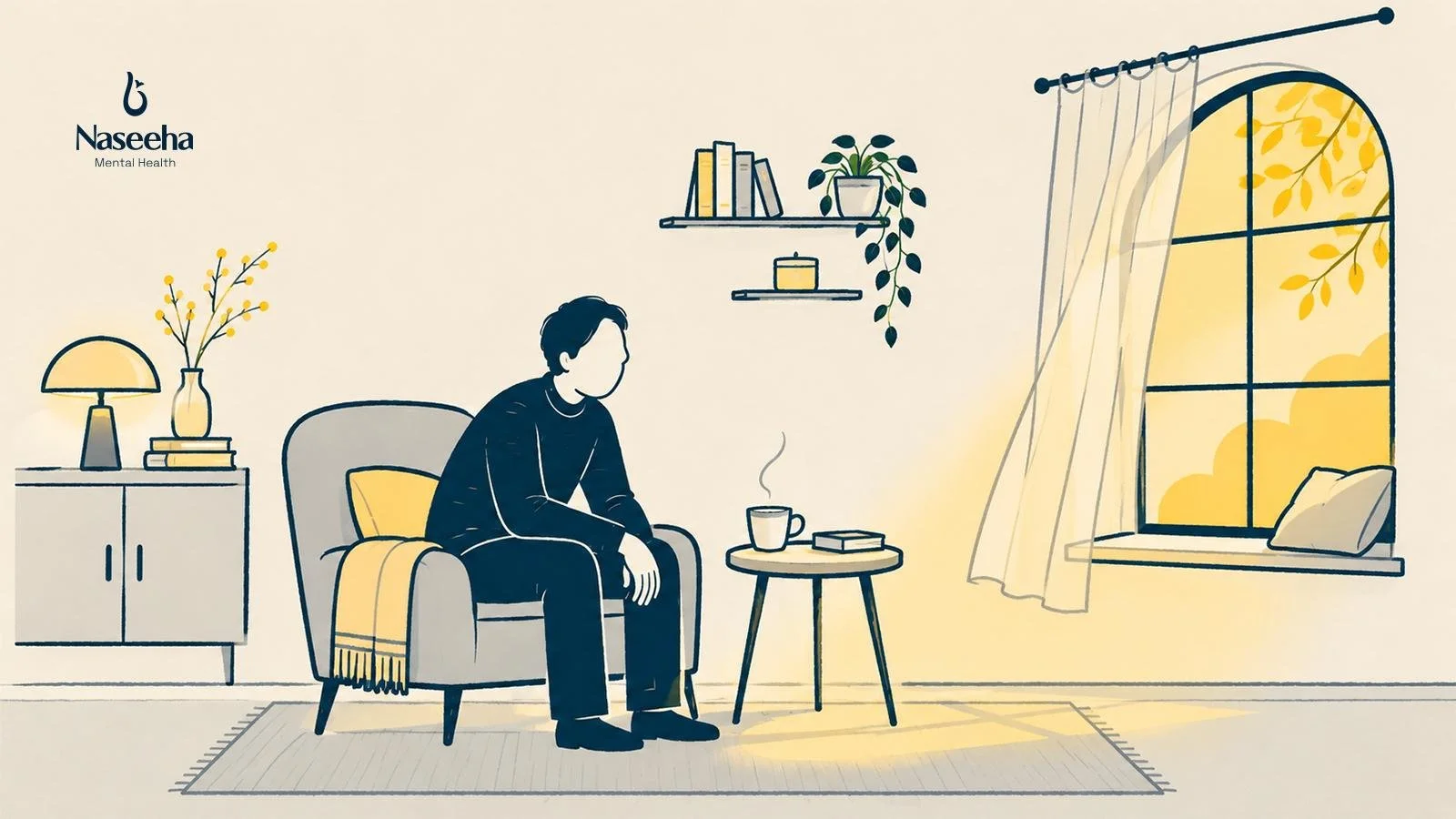
Understanding why men wait to talk about stress often starts with a familiar moment: you ask a man how he’s doing, and he says “I’m fine” even though you can tell something is off. Maybe he seems quieter than usual, looks exhausted or gets irritated easily. When you ask what’s wrong, he says everything’s okay. He may not know how to explain what he’s feeling, or he might not want to worry anyone and feels he should handle it on his own. What sounds like a simple answer may hide worries he hasn’t found the words for.
For many men, opening up isn't something they have always been encouraged to do. Many grew up hearing that strong men handle things alone. Some don't have the words for what they feel, some worry about being judged or being a burden, and others have lived with pressure for so long that it feels normal. As a result, some men wait until stress starts affecting their sleep, work or family before speaking up. Whether you are experiencing stress yourself or concerned about a partner, family member or friend, understanding why men go silent when stressed is a good place to start. At Naseeha, we understand that sometimes people simply need someone who will listen without judgment. Our support is available, even when you don't know exactly what to say.
How Common Is Stress in Men?
Stress is more common among men than we might realize, even when they don't talk openly about it. According to the Canadian Men's Health Foundation's 2025 national survey of 2,000 Canadian men aged 19 and older, 64% reported moderate-to-high levels of stress. The survey also found that 67% had never sought professional mental health support services, while one in two men were at risk of social isolation.
The situation is also concerning among younger men. A 2026 report by Mental Health Research Canada, developed in partnership with GreenShield and titled "From Silence to Support: Better Mental Health Support for Young Men", found that 44% of young men aged 16 to 29 who needed mental health support in the previous year did not access it. The report also found that one in three men saw mental health challenges as a sign of weakness. Financial pressure is another major source of stress. FP Canada’s Financial Stress Index found that nearly half of Canadians have lost sleep over money worries. For men supporting families, these concerns can add to work and family responsibilities, making stress harder to manage.
Why Men Stay Quiet About Stress
Not every man finds it easy to talk about what is weighing on him. There are several reasons why a man may choose to keep his stress to himself.
1. They Were Taught That Strong Men Handle It Alone
Some boys grow up hearing phrases like “man up” and “boys don't cry.” Over time, these messages can make them feel that showing emotion is a sign of weakness and that being strong means handling problems alone. The American Psychological Association explains that traditional masculinity norms can discourage men from expressing emotions or seeking help. These expectations are learned, and they don't have to define how a man responds to stress.
2. Many Men Were Never Given the Words
Stress doesn't always feel like worry. It can show up as irritation, tiredness, impatience or tension. A man might notice that he is losing his temper more easily without recognizing that stress is behind it. When someone struggles to identify and name their feelings, explaining what is happening becomes difficult. Instead of saying, “I'm overwhelmed,” he may simply say he is tired or having a bad day. This can make the signs of stress in men harder to recognize.
3. The Fix-It Instinct Takes Over
Some men respond to difficulties by working harder, making plans or trying to solve everything independently. This action-oriented coping style isn't necessarily unhealthy. Practical steps can help manage stressful situations. However, when problem-solving becomes the only response, there may be little room to acknowledge emotions or ask for support. What he needs may simply be someone who listens rather than another problem to solve.
4. Fear of Judgment and Being a Burden
A man may worry that colleagues will see him as less capable, family members will lose respect for him or sharing his problems will add to someone else's worries. Even when he wants support, the fear of being judged or misunderstood can make staying quiet feel easier.
5. Stress Starts to Feel Like Normal Life
When pressure continues for weeks or months, it can gradually become part of daily life. Work demands, financial concerns and family responsibilities may start to feel like things that simply have to be managed. A man might tell himself that things will improve after the next deadline or payment. Over time, he may become so used to the pressure that he barely notices how much it is affecting him.
6. Provider Pressure and Money
For men who feel responsible for keeping their families financially secure, admitting that they are struggling can feel like failing as a provider or protector. Employment concerns, debt and rising living costs can add to this pressure. Financial worries can affect more than a person's budget. They can also influence confidence, identity and family relationships.
How Faith, Family and Community Expectations Add Weight
Faith, family and community can be important sources of support. However, expectations around emotional strength and how men should handle difficulties can sometimes make it harder to speak openly. These experiences vary across individuals and families.
Patience Is Not the Same as Silence
In Islam, sabr encourages patience through hardship, while tawakkul teaches us to place our trust in Allah SWT. Neither means ignoring difficulties or refusing help. Making dua, maintaining salah and remembering Allah can bring comfort during stressful periods. Speaking to someone trustworthy, seeking counselling and taking practical steps to address a problem are also valid ways of responding to hardship.
A person can trust Allah SWT while acknowledging that they are struggling and need support. Spiritual practices and professional mental health care can work alongside one another.
Worrying About People's Opinions
Family reputation, cultural expectations and community opinions can influence how men talk about pressure. Some may worry that discussing mental health challenges will lead to gossip, criticism or a loss of respect. Having spaces where men can speak openly without fear of judgment can make it easier to seek support. Faith-aware and culturally sensitive care can also help make that first conversation feels more comfortable.
Stress Symptoms in Men: What to Look For
Stress doesn't look the same in everyone. It may show up as irritability, tiredness, poor sleep, withdrawal or changes in everyday habits rather than visible sadness. Recognizing the signs of stress in men can help individuals and those close to them notice when something may be wrong.
Signs Other People Can See
- A shorter temper or becoming irritated over small things.
- Pulling away from friends and family.
- Losing interest in hobbies and activities.
- Working longer hours or spending more time alone.
- Becoming unusually quiet or less communicative.
Sometimes, even sitting in a parked car for a few extra minutes before going inside can become a way of avoiding another set of responsibilities.
Signs in the Body
Stress can affect physical well-being, too. Common signs of stress in men include:
- Constant tiredness, even after sleeping.
- Tension in the shoulders, neck or jaw.
- Difficulty falling or staying asleep.
- Changes in appetite.
- Frequent headaches or physical discomfort.
Habits That Can Hide It
Some men cope with difficult emotions by drinking more alcohol, overworking, gambling or spending hours scrolling through their phones. These habits may offer temporary distraction without addressing the stress behind them. They are signs worth noticing, not reasons to shame someone.
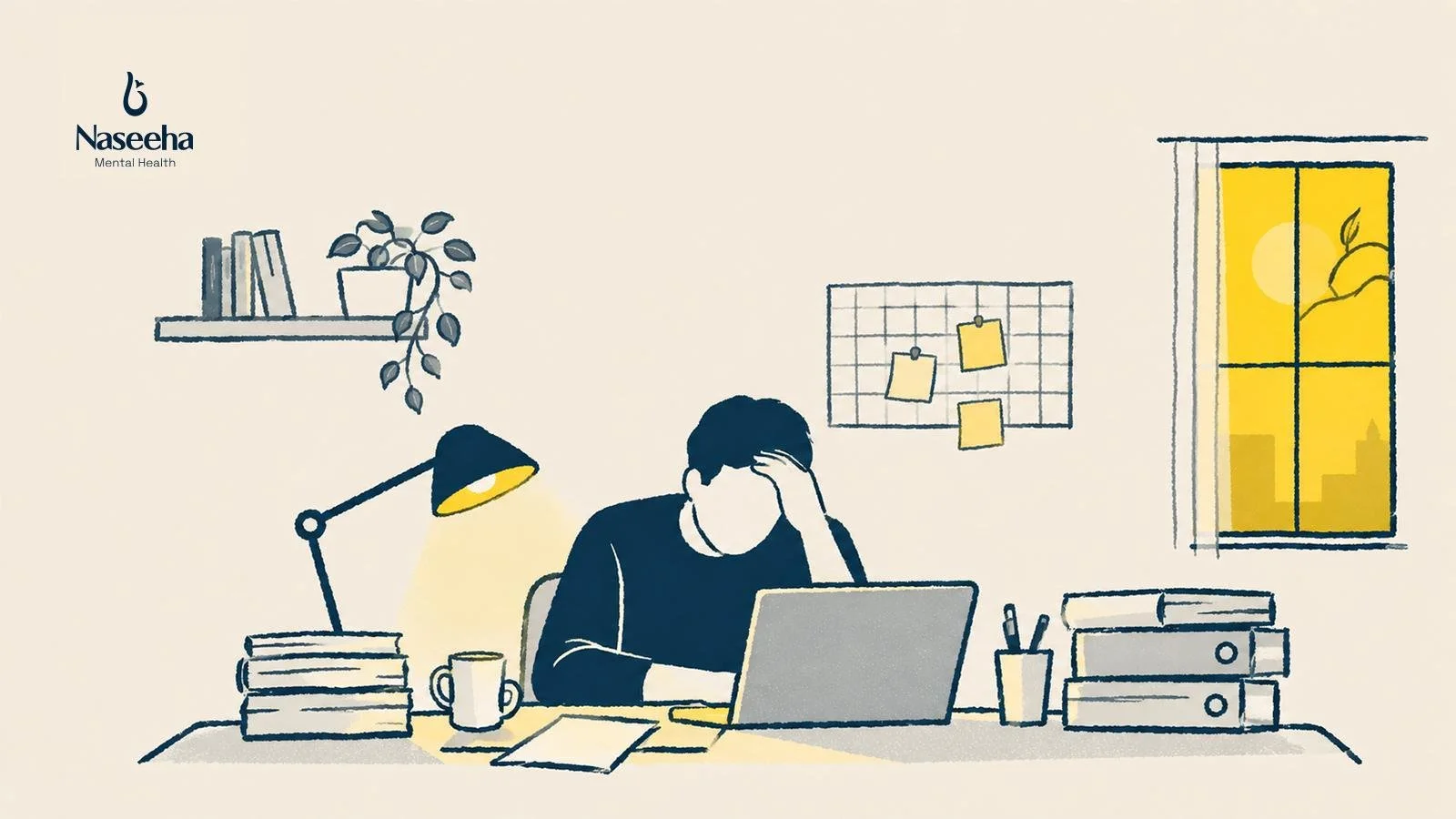
How Men React to Stress in Relationships
When a man is stressed and starts pulling away, his partner, family or friends may not know how to respond. He might become quieter, spend more time alone or seem less interested in conversations. This doesn't always mean something has changed in the relationship. Sometimes, he may simply be struggling to deal with everything.
Pulling away doesn't necessarily mean he has stopped caring. However, if the distance continues, it can leave both people feeling disconnected. A gentle check-in can open the door to a conversation without making him feel pressured to explain everything straight away.
What Happens When a Man Stays Stressed for Too Long
When stress continues without support, it can begin to affect more than a person's mood. Routine responsibilities may feel harder to manage, concentration can suffer and even small challenges may become difficult to deal with.
Over time, ongoing stress can contribute to burnout, anxiety, emotional exhaustion and strain in relationships. It can also make it harder to stay present with the people and responsibilities that matter. A person doesn't need to reach a breaking point before asking for support.
Does Talking Always Help?
Talking is one way to manage stress, but it isn't the only one. Some men find it easier to start with physical activity, a more structured routine, proper rest or working through a practical problem. Others find that putting their thoughts into words helps them understand what they are going through.
What matters is finding a healthy way to deal with stress rather than letting it build up without support. Different approaches work for different people, and sometimes combining practical steps with a conversation can make things easier.
How to Start Talking When It Feels Hard
Starting a small conversation can be helpful when stress becomes difficult to manage. You don't need to explain everything at once. Choose one person you trust and begin by sharing something you have noticed about your routine or well-being.
Check In With Yourself First
Ask yourself:
- Have I noticed changes in my mood or behaviour?
- Have I been withdrawing from people or activities?
- Is stress affecting my work, relationships or daily routine?
Noticing these changes can help you make sense of what you have been feeling.
Choose One Person and One Simple Opening
You don't need perfect words. You could start with:
Find a Comfortable Way to Talk
For some men, sitting face-to-face and discussing emotions can feel uncomfortable. Starting a conversation while walking, driving or doing something together may feel more natural. You don't have to begin with a deep discussion or explain everything at once. If speaking feels difficult, you can also start by sending a message or writing down what's on your mind. The important thing is to find a way to express what you're feeling that feels comfortable for you.
When There Is No One to Tell
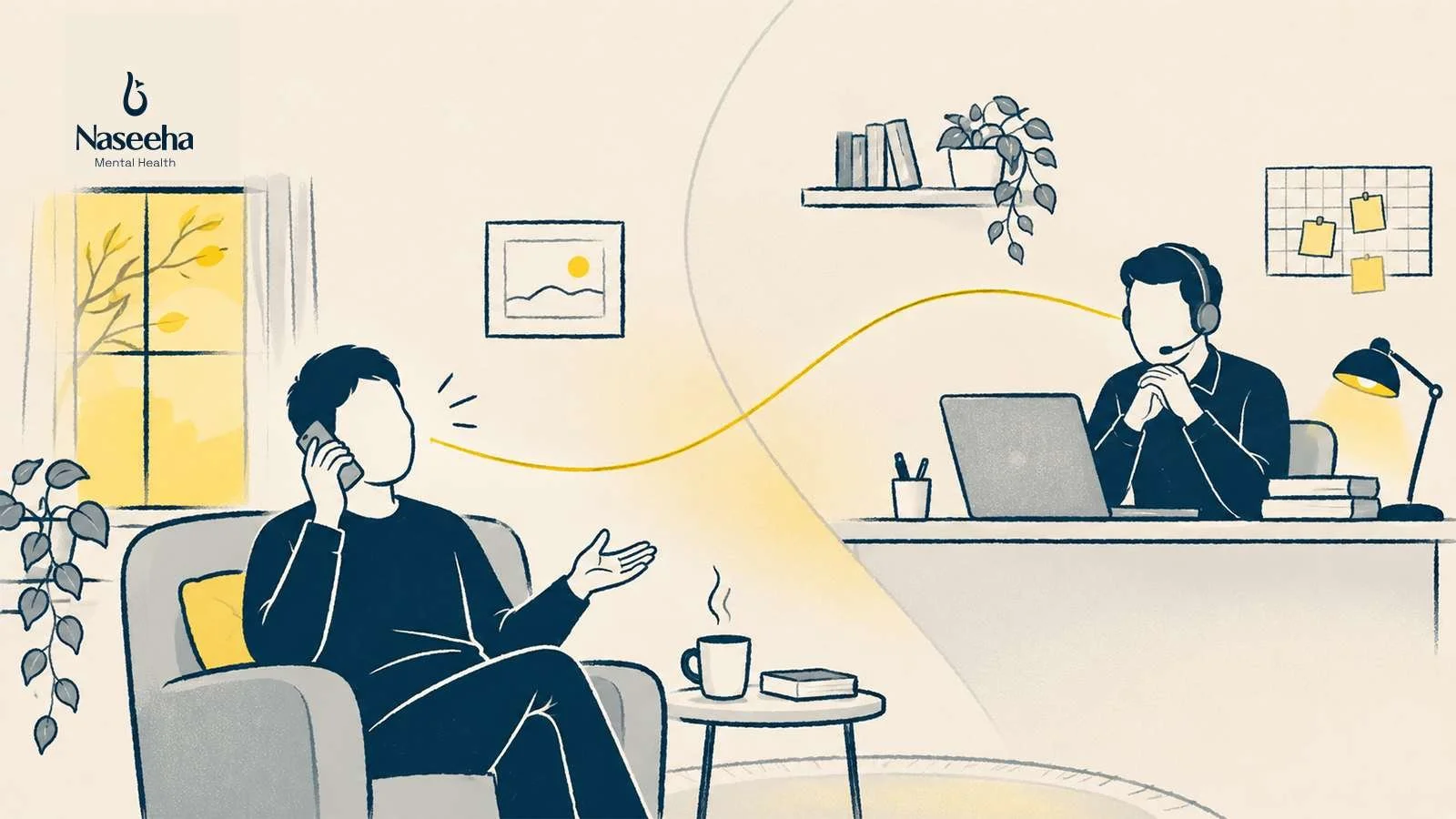
Not everyone has someone they feel comfortable talking to. In that situation, a counsellor or confidential helpline can offer a safe space to discuss what is going on. You can reach out even if you are still trying to understand what you are feeling.
How to Support a Man Who Isn't Ready to Talk
When someone close to you seems stressed but doesn't want to talk, it can be difficult to know what to do. You may want to help, but pushing him to explain himself could make him withdraw further. Sometimes, the best place to start is simply letting him know you are there.
What Helps
What to Skip
Words That Open the Door
A few simple sentences can communicate care without pressure:
Signs It Is Time to Get Support
Occasional stress is part of life, but when it becomes persistent or starts interfering with daily activities, it may be time to seek support. Consider speaking to a mental health professional if you notice:
- Ongoing sleep or appetite changes.
- Irritability affecting relationships or work.
- Persistent exhaustion or difficulty concentrating.
- Increased alcohol use or other risky coping habits.
- Feeling hopeless, emotionally numb or unable to manage everyday responsibilities.
Reach the Naseeha Helpline Any Time
Take a moment to check in on the men around you. A friend who has become unusually quiet, a family member who always says he is fine, or someone who seems to be carrying more than usual may need someone to listen. A simple conversation can make it easier for someone to open up.
You don't have to wait until stress becomes unbearable to seek support. Naseeha Mental Health offers a free, confidential helpline where you can speak with trained counsellors in a non-judgmental, faith-aware environment. You don't need to have all the answers or know exactly what to say before reaching out.
Call 1-866-627-3342 or visit naseeha.org to learn more.
Frequently Asked Questions
Do men stress more than women?
Not necessarily. Men and women can experience and express stress differently, but there is no single response that applies to everyone. When it comes to men and stress, social expectations, personal experiences and coping habits can all influence how someone responds to pressure.
Is talking about stress a sign of weakness?
No. Recognizing that you are struggling and asking for support takes courage. Talking can help you understand your feelings and identify practical ways to manage stress.
What stresses men out the most?
Common sources include financial pressure, work demands, family responsibilities, relationship difficulties and concerns about providing for loved ones. The impact varies from person to person.
How can a man relieve stress?
A man can relieve stress by getting enough rest, staying physically active, maintaining a healthy routine and talking to someone he trusts. Identifying the source of stress and taking small, practical steps can also help. If stress becomes difficult to manage, speaking with a mental health professional can provide additional support.
How does stress affect a man?
Stress can affect a man's physical health, emotional well-being and relationships. It may contribute to sleep problems, constant tiredness, irritability, difficulty concentrating and changes in daily habits. When stress continues for a long time, it can also contribute to emotional exhaustion and burnout.
Is it normal for a man to go quiet when stressed?
Some men withdraw when overwhelmed because they need time to process their thoughts or are unsure how to communicate what they feel. However, persistent withdrawal shouldn't be ignored, especially when it affects relationships or everyday life.
