

The First 10 Days of Dhul-Hijjah: A Chance to Return Before the Days Pass
These Days Are Not Ordinary
The first 10 days of Dhul-Hijjah are not ordinary days before Eid. They are among the most beloved times to Allah, a season where small efforts can carry a weight we may not fully understand. The Prophet ﷺ said, “There are no days in which righteous deeds are more beloved to Allah than these ten days.” When the companions asked, “Not even jihad in the path of Allah?” he ﷺ said, “Not even jihad, except a man who goes out with himself and his wealth and returns with nothing.” This hadith should make us pause. It shows us that these days are not only special for those performing Hajj, they are an opening for every believer who wants to come closer to Allah.
Start With What Allah Already Gave You
Dhul-Hijjah asks us a direct question: what are we doing with what Allah has already placed in our hands? Many people wait for the perfect situation to become better. They wait for more time, more energy, a different environment, or a clearer path. But these days remind us that worship is not always about what is unavailable. It is about what we can do now. We may not be standing in Makkah, but we can still stand in prayer. We may not be at Arafah, but we can still raise our hands in du’a. We may not have full control over our circumstances, but we can choose repentance, sincerity, and effort.
Leave What Keeps Pulling You Back
The first step is not always adding more worship. Sometimes the most powerful beginning is leaving the sin that keeps pulling us back. For some, this may be harmful content, bad company, neglecting salah, anger, substances, disrespect toward parents, or private habits that have become difficult to stop. Dhul-Hijjah is a chance to make a serious plan, not just another emotional promise. If a phone is the door to sin, limit access. If certain friendships keep dragging you into the same mistakes, create distance. If addiction is involved, seek real support and do not rely on willpower alone. If family relationships are tense, begin with du’a, humility, and one sincere act of kindness. The goal is not shame. The goal is honesty with Allah.
Repair the Obligations First
After leaving what harms us, we need to repair the obligations. Many people enter blessed seasons thinking only about extra deeds while the foundation remains weak. But the most beloved acts to Allah are the ones He made obligatory. Salah must come before voluntary worship. Fajr cannot be missed because someone stayed up for qiyam. Zakah cannot be treated casually. The rights of parents, family, work, and people cannot be ignored while chasing optional deeds. Dhul-Hijjah is not only a season of increase, it is a season of correction.
Come Back to Salah With Presence
A good place to begin is salah. Ask yourself three questions: where am I praying, when am I praying, and how am I praying? Am I praying on time? Am I rushing through it? Am I present before Allah, or just finishing a task? For those able to pray in congregation, these days are a chance to take that seriously. For everyone, they are a chance to stop treating prayer as something squeezed into the day and start treating it as the center of the day.
Increase in Righteous Deeds
Once the obligations are being repaired, increase in righteous deeds as much as you can. Fast the days you are able to fast, especially the Day of Arafah for those not performing Hajj. Read Qur’an with a clear plan, whether that means completing a khatmah, reading one juz daily, or committing to a smaller amount with reflection. Give charity every day, even if the amount is simple. Pray at night, even two sincere rak’ahs. Make du’a with urgency. Ask Allah for forgiveness, guidance, strength, healing, protection, and a heart that loves obedience.
Fill These Days With Dhikr
These days are also days of dhikr. Increase in takbir, tahmid, and tahlil. Say: Allahu Akbar, Alhamdulillah, La ilaha illa Allah. Revive the takbir in your home, your car, and your daily routine. Do not let these sacred days pass quietly while your tongue is busy with everything except remembering Allah.
Let Your Heart Travel Even If Your Body Cannot
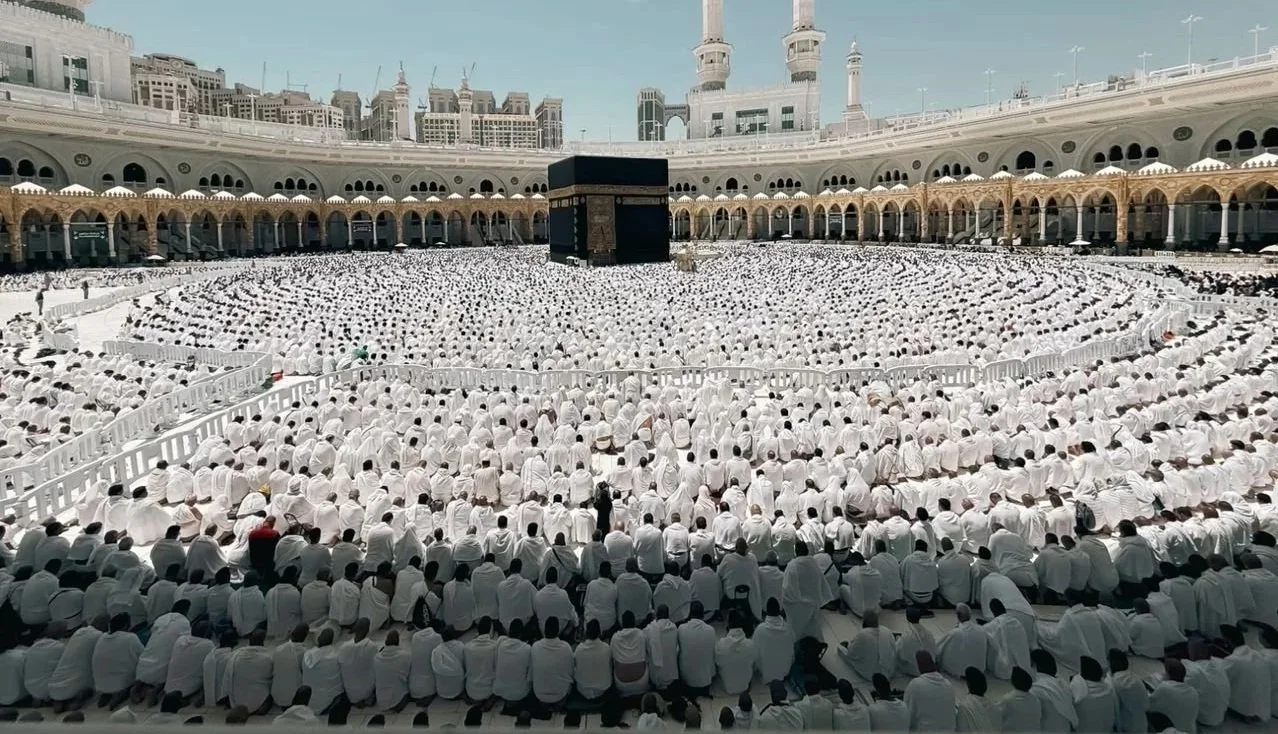
For those not performing Hajj, the heart can still travel. Watching others reach Makkah can create longing, but that longing can become worship. If your body is not there, let your du’a be present. Let your home become a place of prayer. Let your heart stand before Allah with sincerity. Being far from the Ka’bah does not mean being far from mercy.
Make a Simple Plan Before the Days Begin
A simple plan for these 10 days can change everything. Choose one sin to leave. Protect your salah. Decide your Qur’an amount before the days begin. Pick your fasting days. Set a daily charity amount. Reduce distractions. Make time for du’a. Keep your tongue moist with dhikr. Repair one relationship if you can. Sleep each night with tawbah instead of regret.
Do Not Let the Opening Pass
The greatest loss is not only doing nothing. Sometimes the loss is knowing the value of these days and still giving them whatever is left of us. Dhul-Hijjah will come and go quickly. The question is whether we will let it pass like any other week, or whether we will treat it as the mercy it is.
These are days to return. Days to rebuild. Days to ask Allah to soften what became hard in us. So enter them with intention, not pressure. With seriousness, not panic. With hope, not despair. Allah is giving us another opening, and the believer does not waste an opening from Allah.